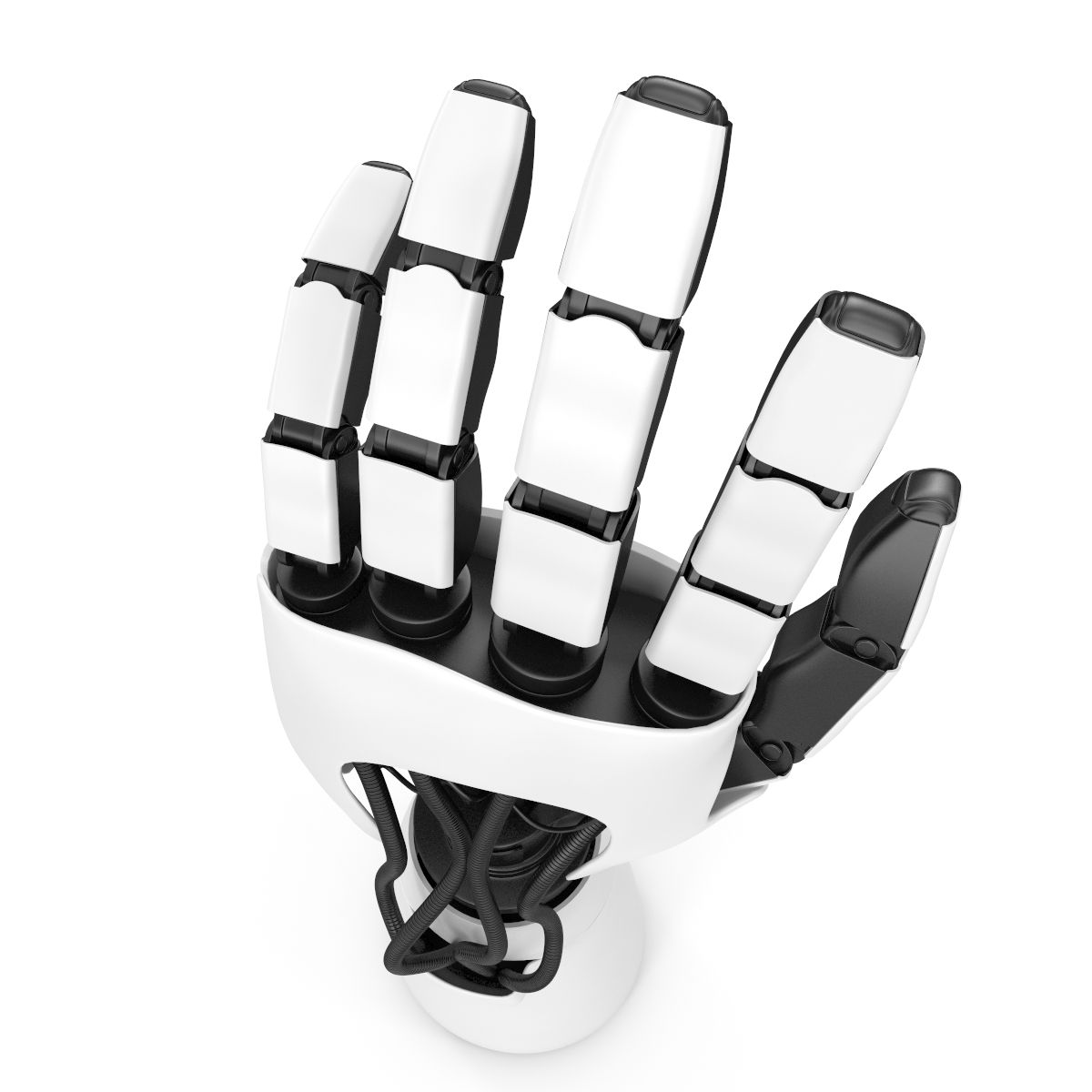
Orca Hand

The ORCA Hand is an open-source robotic hand.

Price on request

The ORCA Hand is an open-source, dexterous robotic hand with tactile sensing.


ORCA Hand

The ORCA Hand (ORCA v1) is a human-sized, open-source, tendon-driven dexterous robotic hand created to
help labs and developers start reliable manipulation research quickly. With 17 active degrees of freedom
(including a 1-DoF wrist) and integrated tactile sensing, ORCA supports teleoperation, imitation learning,
and reinforcement learning workflows—while remaining serviceable and cost-conscious by design.

Dexterity17 active DoF (incl. 1-DoF wrist)
ActuationTendon-driven + DYNAMIXEL servos
SensingIntegrated tactile sensors (fingertips)
Power & I/O12 V input • Serial USB (U2D2)



Key benefits

  • Research-ready dexterity: 17 DoF supports diverse grasps and in-hand manipulation experiments.
  • Open-source ecosystem: core software and tooling enable fast integration into learning pipelines.
  • Cost- and time-efficient build: designed for sub-8-hour assembly and materials under ~2,000 CHF (published).
  • Tactile feedback: fingertip sensing supports contact-rich manipulation and slip-aware control.

Technical Hardware Specifications

Core mechanics

Manufacturer / origin ORCA Hand / Soft Robotics Lab (ETH Zürich)
Hand type Independent dexterous robotic hand (anthropomorphic)
Actuation Tendon-driven transmission
Active degrees of freedom (DoF) 17 total (including 1-DoF wrist)
Tactile sensing Integrated tactile sensors (fingertips)
Skin (published) Soft silicone skin

Physical

Weight ~1.3 kg (fully assembled listing)
Form factor Human-sized (anthropomorphic hand layout)

Electronics & interfaces

Actuators / motors DYNAMIXEL XC330-T228T and XC430-T240BB-T (listed)
Input voltage 12 V DC
Communication Serial USB via U2D2 Power Hub Board (listed)

Software & workflow

Open-source core orca_core repository (listed)
Teleoperation (published examples) Retargeting/teleop support (e.g., gloves/vision-based setups) via open-source tooling
Build philosophy (published) Designed for assembly in < 8 hours; material cost target < ~2,000 CHF

For integration-grade details (CAD, BOM, wiring, firmware/driver versions, tactile sensor characteristics),
use the official ORCA documentation and repositories linked above.

Typical applications

  • Dexterous manipulation research (imitation learning, RL, sim-to-real)
  • Teleoperation and data collection pipelines
  • Robust grasping demos with tactile feedback

Seller Logo

Seller Intro

At this time, no European supplier for this product is known. If you are interested in this product or are aware of a suitable supplier, please contact us.

Seller Description

At this time, no European supplier for this product is known. If you are interested in this product or are aware of a suitable supplier, please contact us.