
How Language and Vision Models Are Giving Humanoid Robots Real Understanding in 2025
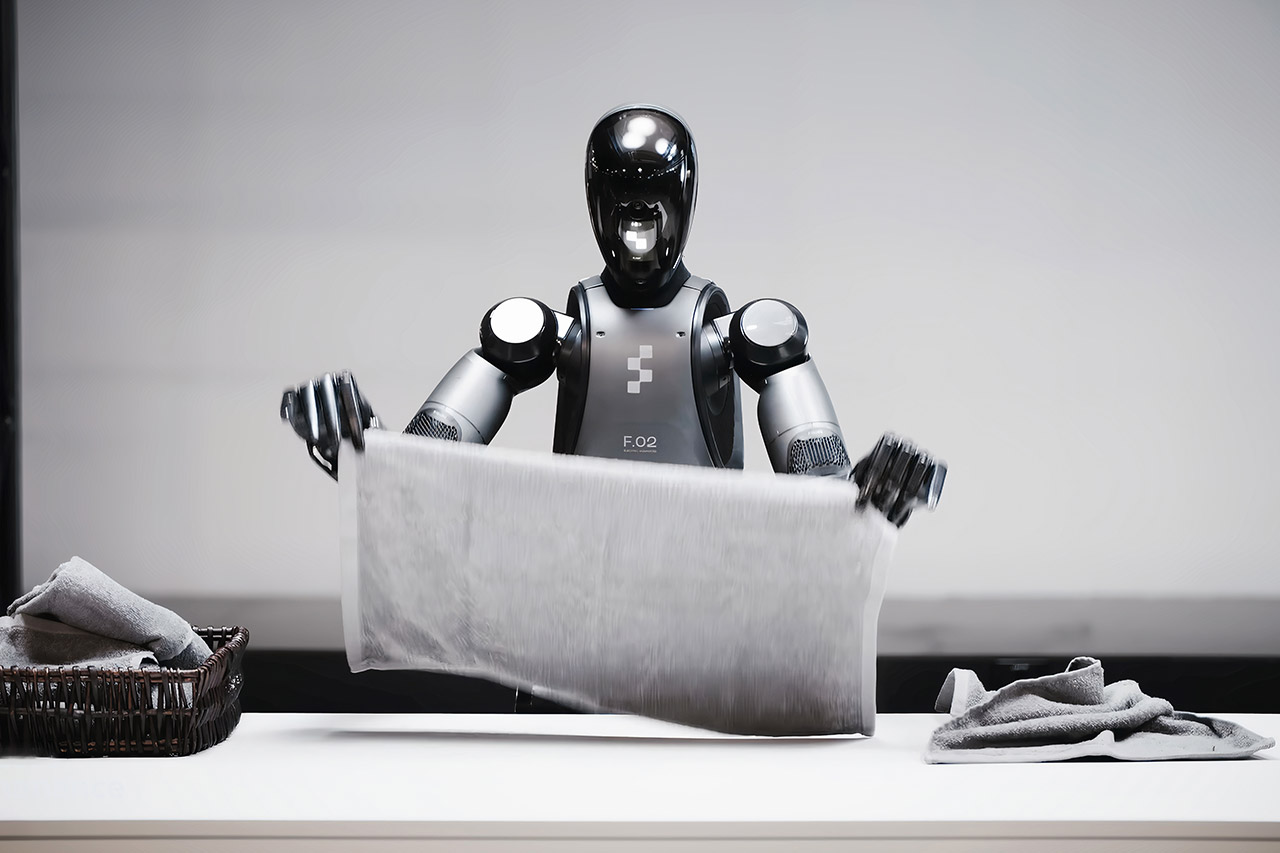
A major surge in humanoid robotics research in 2025 centers on Vision-Language-Action (VLA) models — AI systems that combine visual perception, natural language understanding, and physical action generation. These models promise to give humanoid robots an unprecedented ability to interpret instructions and interact with the physical world in flexible, context-aware ways.
Unlike traditional systems where perception, planning, and motion control are separate, VLA models fuse these components into unified architectures. The result is robots that can directly translate high-level natural language instructions into motor actions — a key milestone for real-world autonomy.
Three leading Vision-Language-Action (VLA) models illustrate the current advances in humanoid robotics:
Helix: A generalist VLA developed for humanoid robots, trained with hundreds of hours of teleoperated robot data and automated language descriptions. This model enables integrated language and vision reasoning with low-latency control across arms, torso, and fingers — a breakthrough in embodied AI.
SmolVLA: A compact, open-source VLA model (~450 M parameters) that achieves performance close to larger models while being trainable and deployable on consumer hardware like a single GPU. Code, pretrained models, and training data are publicly available.
Gemini Robotics: An advanced VLA developed by Google DeepMind that unifies language, vision, and physical action reasoning and has been tested on a range of robotic hardware.
Vision-Language-Action models represent a paradigm shift in humanoid robotics: robots can now interpret natural language, understand visual scenes, and generate physical actions in an integrated pipeline. This makes them far more adaptable in unstructured environments — whether it’s responding to verbal commands, handling objects they’ve never seen, or performing multi-step tasks without task-specific retraining.
These models are foundational for future humanoid systems that need to operate alongside humans, learn from natural interactions, and generalize across tasks. Their rapid adoption in 2025 suggests they will be an enduring research focus into 2026 and beyond.